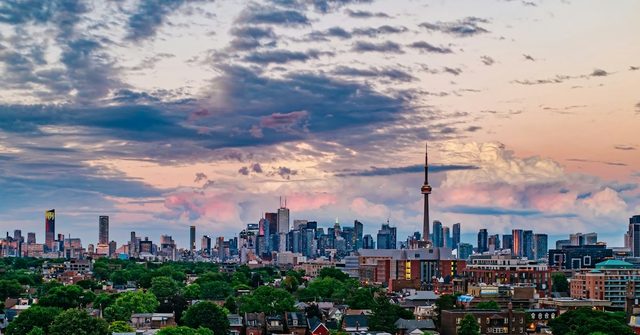
With a population of around 3 million, the City of Toronto is Canada’s largest city.
Total 2025 carbon emissions: 16.6 MtCO2eq
% of GTHA carbon emissions: 28%
Population (2025 estimate): 3,093,061
% of GTHA population: 39%
Land Area: 631 km2
2025 Toronto Insights
Overview
Total emissions increased nearly 10% in 2025 due to a significant rise in building emissions, reaching their highest level in over 10 years.
Toronto Total Emissions, 2019-2025
Per Capita
Total per capita emissions also increased by 10% in 2025, reaching 5.4 tonnes of carbon per person.
Excluding the relatively small industrial and urban farming sectors, Toronto’s per capita emissions reached 5.2 tonnes of carbon.
Toronto Per Capita Emissions, 2019-2025
2025 Toronto Sector Insights
Toronto 2025 Emissions by Sector
Buildings: Natural gas emissions increased by 13%, which was primarily due to cold temperatures driving up demand for heating. After normalizing for weather, Toronto’s gas emissions rose by 1%.
Normalized gas emissions increased for commercial buildings (up 1%), residential single-family buildings (up 2%), and industrial buildings (up 3%), whereas normalized gas emissions from residential multi-family buildings decreased by 1%.
Electricity Grid: Electricity consumption increased by 3% in 2025. Electricity-related emissions rose by 26%, continuing an upward trend driven by increasing reliance on natural gas-fired generation within Ontario’s electricity grid.
Transportation: Transportation emissions increased by 1.5%. Transportation emissions per capita also increased 1.5%.
Electric vehicle registrations were up 14% (BEV) and 27% (PHEV). These represent 3% of total vehicle registrations in 2025. Toronto has the lowest number of vehicle registrations per capita in the GTHA.
Toronto Transit Commission ridership saw a 2% decrease in 2025, broadly in line with the GTHA-wide average decline of 2%.
Scope 3 aviation emissions from Billy Bishop Toronto City Airport were largely unchanged in 2025, increasing by just 0.4%. It is important to note that these aviation emissions are not solely attributable to Toronto, as Billy Bishop serves passengers from the entire region.
Toronto Adopts Zoning Changes for Heat Pumps, Solar, and EV Charging
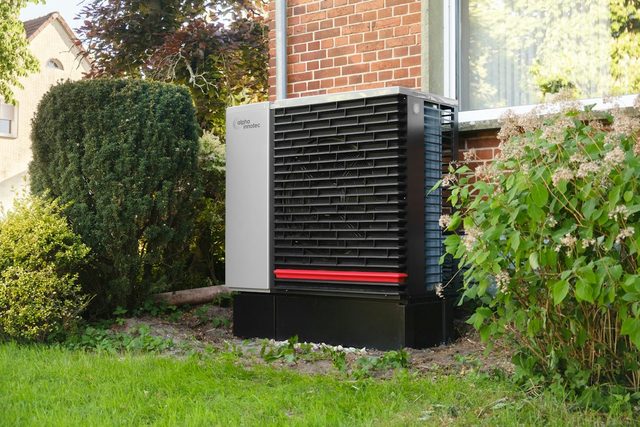
Toronto Council adopted citywide zoning changes for low carbon technologies. The amendments make it easier to install heat pumps, solar energy devices, energy storage and electric-vehicle charging, and to complete building-energy retrofits.
Torontobuildings
Toronto Expands BetterHomesTO Furnace Upgrade Program
Toronto expanded its BetterHomesTO Furnace Upgrade Program, helping homeowners replace gas furnaces with electric heat pumps through free energy coaching, installation support, and low-interest financing.
Torontowaste
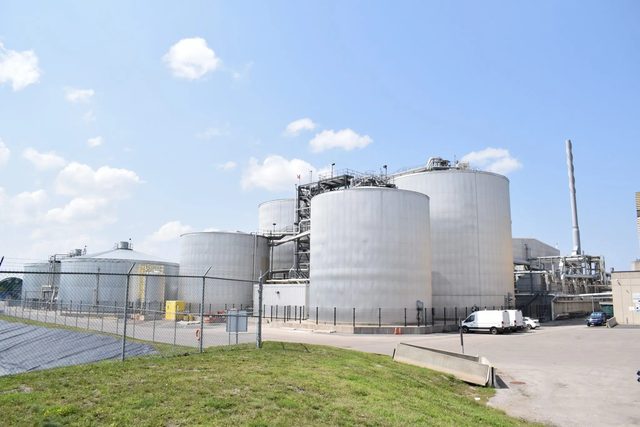
Toronto Expands Disco Road Organics Facility to 125,000 Tonnes
The City is expanding the Disco Road Organics Processing Facility to increase Green Bin processing capacity from 75,000 to 125,000 tonnes annually, helping to reduce greenhouse gas emissions through waste diversion and renewable energy generation.