Durham includes the cities of Oshawa and Pickering, the towns of Whitby and Ajax, the Municipality of Clarington, and the Townships of Scugog, Uxbridge, and Brock.
Total 2025 carbon emissions: 6.0 MtCO2eq
% of GTHA carbon emissions: 10%
Population (2025 estimate): 775,543
% of GTHA population: 10%
Land Area: 2,521 km2
2025 Durham Regional Insights
Overview
Total emissions increased by 7.5% in 2025, driven primarily by rising building emissions.
Durham Region Total Emissions, 2019-2025
Per Capita
Total per capita emissions increased by 5% in 2025, reaching 7.7 tonnes of carbon per person.
Excluding industrial and agricultural sectors, Durham’s per capita emissions also increased by 5%, reaching 6.0 tonnes of carbon per person.
Durham Region Per Capita Emissions, 2019-2025
2025 Durham Sector Insights
Durham Region 2025 Emissions by Sector
Buildings: Natural gas emissions increased by 15% in 2025, largely driven by a cold winter that increased the demand for heating. After normalizing for weather, Durham’s gas emissions rose 4%.
Normalized gas emissions increased for commercial buildings (up 4%), residential single-family buildings (up 3%), and industrial buildings (up 7%), whereas normalized gas emissions from multi-family residential buildings decreased by 2%.
Industrial: Industrial emissions are estimated to have increased over 7% in 2025, owing to a notable increase in cement production at the St. Mary’s Bowmanville Cement Plant.
Agriculture: Agricultural emissions increased 2%. Most of the GTHA's agricultural activity is concentrated in Durham, accounting for 3% of the region's total emissions.
Electricity Grid: Electricity consumption increased by 4% in 2025, Durham’s largest annual increase since 2016. Electricity-related emissions rose by 27%, continuing an upward trend driven by increasing reliance on natural gas-fired generation within Ontario’s electricity grid.
Transportation: Transportation emissions increased by 1%. After normalizing for population, emissions per capita decreased by 1%.
Electric vehicle registrations were up 20% (BEV) and 24% (PHEV). These represented 2% of total vehicle registrations in 2025.
Durham Region Transit saw a 5% decrease in ridership but remained 12% higher than the 2019 pre-pandemic ridership.
2025 Municipal Insights
Overview
Clarington (1.6 megatonnes), Whitby (1.3 megatonnes), and Oshawa (1.2 megatonnes) had the largest emission totals in 2025. Excluding agriculture and industry, per capita emissions range from a high of 7.2 tonnes per person in Whitby to a low of 5.0 tonnes per person in Brock.
Durham Municipalities 2025 Emissions by Sector (tCO2eq)
Pop.
Natural Gas
Electricity
Transportation
Industry
Waste
Agriculture
Total
Ajax
140,941
238,353
65,055
427,639
0
30,286
0
761,333
Brock
13,983
18,928
6,924
39,175
0
4,480
46,332
115,839
Clarington
112,858
165,028
75,122
418,739
841,231
28,234
45,355
1,573,708
Oshawa
195,149
438,901
94,494
551,474
85,438
58,855
5,523
1,234,685
Pickering
110,364
233,682
65,620
269,325
34,925
24,879
4,472
632,903
Scugog
24,013
n/a
12,865
68,289
0
6,601
44,891
n/a
Uxbridge
23,985
n/a
12,290
82,208
0
5,426
38,317
n/a
Whitby
154,110
516,077
86,593
467,352
202,751
33,260
4,668
1,310,701
Buildings: Buildings are the largest source of emissions in Pickering and Whitby, while transportation generates the most emissions in Ajax and Oshawa. Agriculture is the highest-emitting sector in Brock, and industry produces the majority of emissions in Clarington, driven primarily by the St. Mary’s Bowmanville Cement Plant.
Natural gas emissions increased between 13% and 18% in all of Durham’s municipalities (after weather normalization the increase was 2% to 5%).
Electricity Grid: Electricity consumption decreased in Brock (-3%) and Uxbridge (-1%), while most other municipalities in the region saw small increases of 1 to 4%. By contrast, Oshawa consumption grew by 10% in 2025.
Transportation: Changes in transportation emissions varied: Ajax, Brock, Scugog, and Whitby saw transportation emissions decrease between 1% and 3%, whereas emissions increased in Durham’s other municipalities, with the largest increase observed in Uxbridge (up 13%).
The share of electrified vehicles (BEVs and PHEVs) among total vehicle registrations in Durham ranges from 1% in Brock to 3% in Ajax, Pickering, and Whitby.
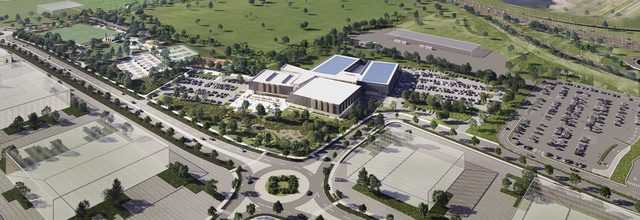
Whitby Opens Fieldgate Sports Complex with Solar and Geothermal
Whitby’s Fieldgate Sports Complex opened September 2026 and includes a 300 kW rooftop solar array and geothermal heating and cooling. The Town is targeting LEED Gold and Zero Carbon Building certification.
Ajaxbuildings
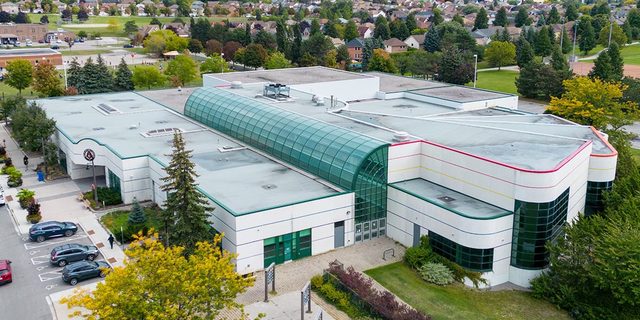
Ajax Facilities Save 115 MWh in Battle of the Buildings
Ajax's Battle of the Buildings energy efficiency competition, held between September and December 2025, saw municipal facilities save more than 115 MWh of electricity through simple operational and behavioural measures.
Pickeringbuildings
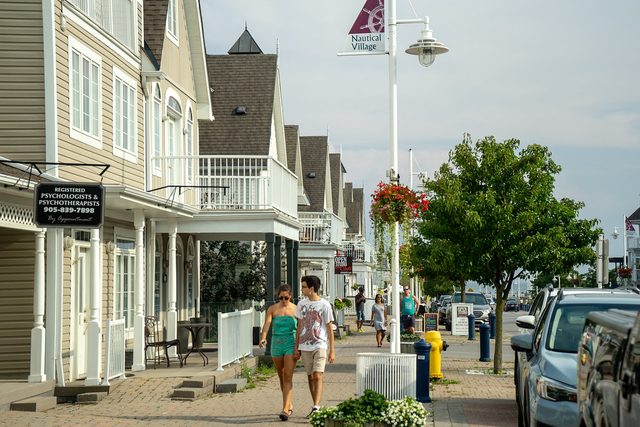
Pickering Earns $4.4M Building Faster Fund Award
Pickering was awarded $4.4 million through Ontario's Building Faster Fund after exceeding its 2025 housing target by 14%, making it one of the few GTHA municipalities to surpass its provincially assigned target that year.
Durham Regiontransportation
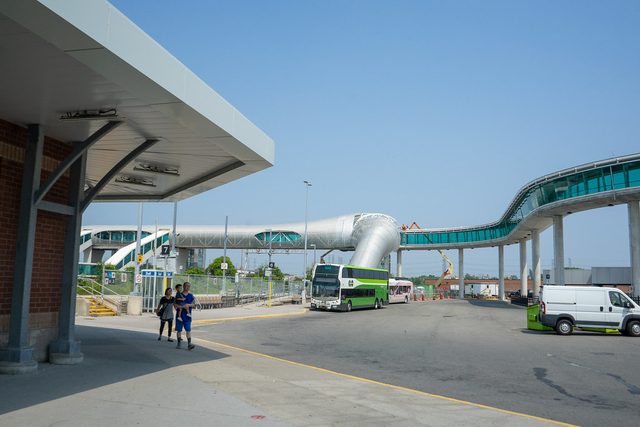
Governments Invest $11.6M in Durham Region Transit
The federal and provincial governments invested $11.6 million in Durham Region Transit, funding 10 new rapid transit vehicles and fuel management software to improve service reliability and emissions performance.
Durham Regiontransportation
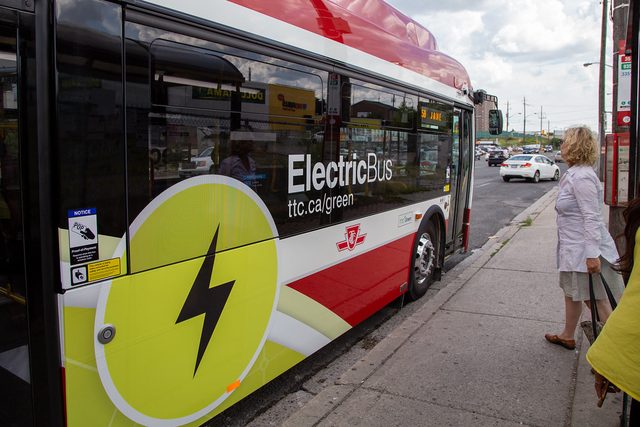
DRT Shares Lessons from Electric Bus Pilot
In 2026, Durham Region Transit (DRT) released a report on its TAF-funded E-Mission Zero Fleet Electrification pilot project, documenting key lessons from their first battery-electric buses and charging infrastructure to help other transit agencies accelerate electrification.
Claringtontransportation
Clarington Endorses First Active Transportation Master Plan
In June 2026, Clarington’s Council endorsed its first Active Transportation Master Plan, enhancing how the municipality plans, designs and improves walking, cycling and wheeling routes for people of all ages and abilities.
Oshawabuildings
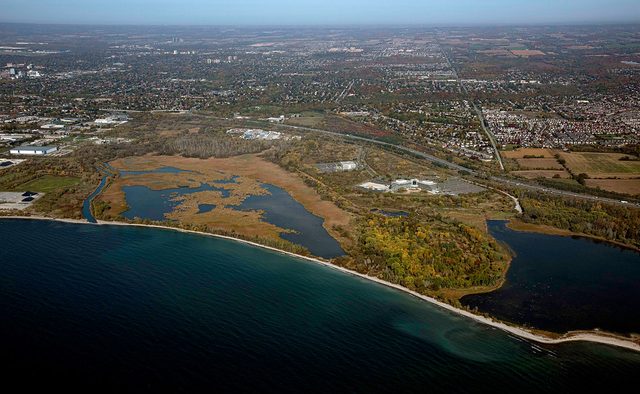
Oshawa and CLOCA Secure $1M for Second Marsh Restoration
City of Oshawa and the Central Lake Ontario Conservation Authority secured more than $1 million in provincial funding in 2026 to support restoration of the ecologically significant Second Marsh, strengthening wetland protection and climate resilience along the Lake Ontario waterfront.